
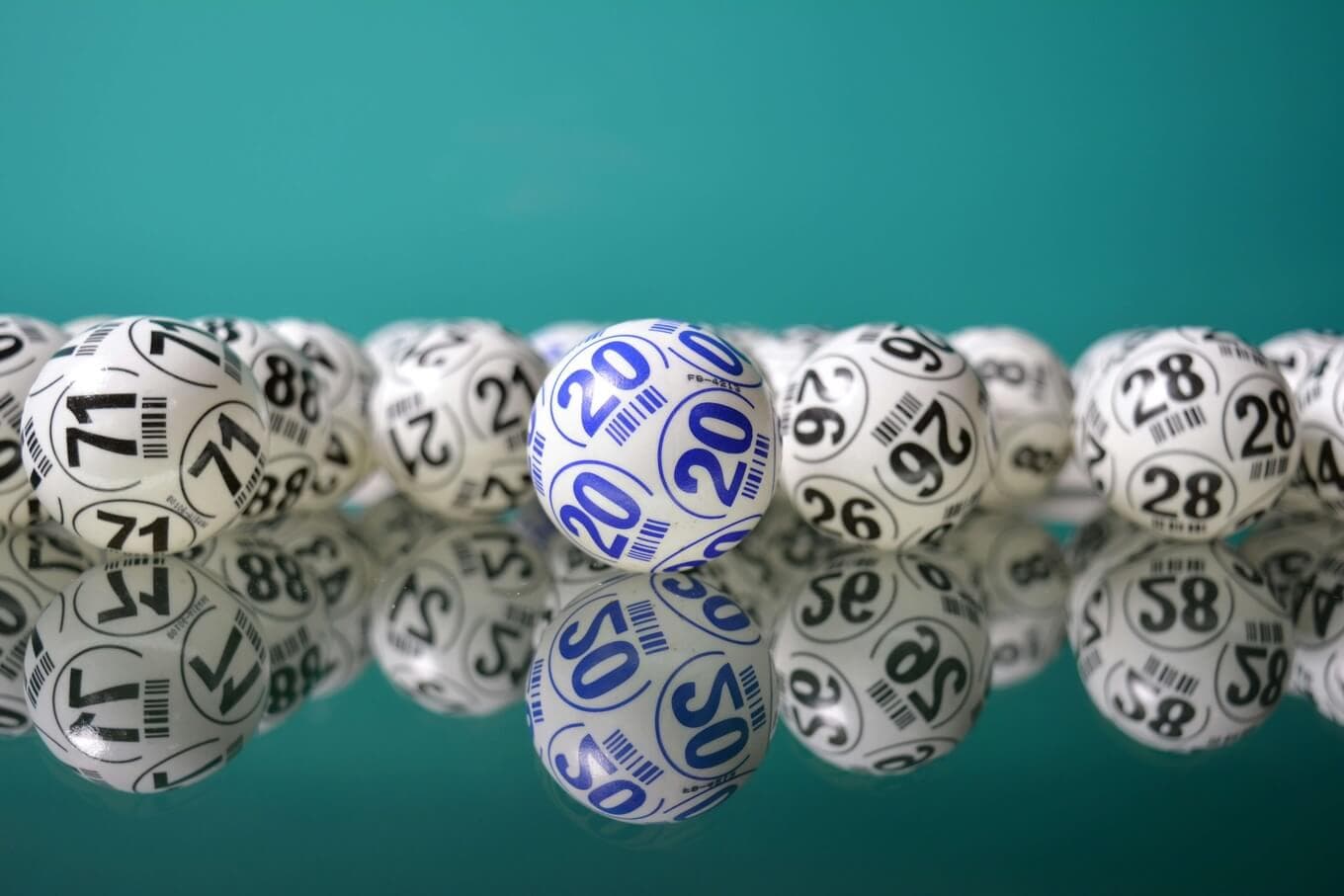
80 numbers to draw from.
About Keno numbers
Keno is played on a board of 80 numbers, of which the house draws 20. You choose how many of them to bet on, usually somewhere between 2 and 10 spots, and you are paid according to how many of your picks appear in the draw. More spots means a longer shot but a larger prize when it lands, which is why the paytable changes with the number of spots rather than staying fixed.
No arrangement of numbers is better than another. Every board has the same chance, so picking birthdays, picking a diagonal line, or letting this page pick for you are all equally good strategies. What a quick pick avoids is the habit players share of clustering around small numbers and dates, which does not change your odds of winning but does change how many people you would split a prize with.
The board here starts at the usual 1 to 80, but the range is yours to set. Some Keno variants run to 70 or 90, and the same draw is useful well outside the game: numbers for a raffle, a seat allocation, or any set of distinct values from a range that is not the standard one.
Where the randomness comes from
This tool runs entirely in your browser, using its built in cryptographic random number generator. Nothing you type is sent to us, nothing is stored, and each result is thrown away the moment you leave the page. Numbers are drawn without the rounding bias that the usual shortcut introduces, so every outcome is as likely as every other.
Because nothing is recorded, a result here proves nothing to anyone afterwards. If you need a drawing that other people have to accept, for a prize, a campaign or an audit, use Winner Picker, which publishes each result on a permanent link with a signed record anyone can check.